
What Causes Dizziness?
Understand the most common causes of dizziness, vertigo, and balance problems — and when to seek professional care.
- ⭐ Feeling lightheaded, off-balance, or unsteady
- ⭐ Sudden spinning sensations (vertigo)
- ⭐ Dizziness triggered by movement or position changes



Common Causes of Dizziness
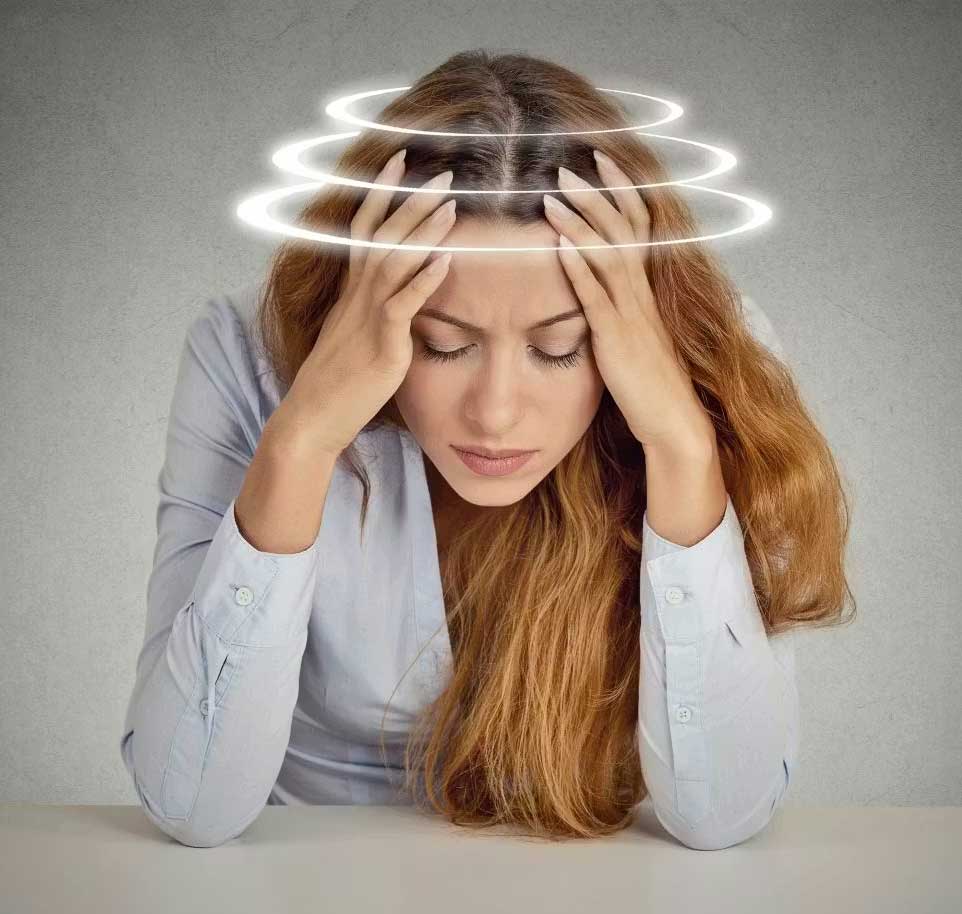
Dizziness is a common symptom that can have many different causes. For some people, it feels like lightheadedness or unsteadiness. For others, it may feel like the room is spinning (vertigo).In many cases, dizziness is related to the inner ear (vestibular system), which plays a key role in balance and spatial orientation. Identifying the exact cause is the first step toward effective treatment.
Most Common Causes of Dizziness
Inner Ear (Vestibular) Causes
The most common causes of dizziness are related to the inner ear:
- BPPV (Benign Paroxysmal Positional Vertigo)
- Vestibular neuritis or labyrinthitis
- Meniere’s disease
- General vestibular dysfunction
👉 These conditions often cause spinning sensations, imbalance, or dizziness triggered by movement.
Medical & Circulatory Causes
Dizziness can also be caused by:
- Low blood pressure
- Dehydration
- Poor circulation
- Medication side effects
👉 These typically cause lightheadedness rather than spinning.
Neurological Causes
Less commonly, dizziness may be related to:
- Migraines (vestibular migraines)
- Head injuries
- Neurological conditions
👉 These cases often require further evaluation.
Lifestyle & Environmental Factors
Some dizziness is triggered by:
- Stress or anxiety
- Fatigue
- Motion sensitivity
- Sudden changes in position
What Your Dizziness Might Mean
- Spinning sensation (vertigo) → Often caused by BPPV or inner ear issues
- Lightheaded or faint feeling → May be related to blood pressure or dehydration
- Unsteady or off-balance → Could involve the vestibular system
- Dizziness when moving your head → Common sign of BPPV
👉 Understanding your symptoms can help guide the right type of treatment.
Dizziness FAQs
What is the most common cause of dizziness?
The most common cause of dizziness is inner ear problems, particularly BPPV (Benign Paroxysmal Positional Vertigo).
Is dizziness serious?
Most cases are not serious, but persistent or recurring dizziness should be evaluated to rule out underlying conditions and prevent falls.
When should I be concerned about dizziness?
You should seek evaluation if dizziness happens frequently, worsens, or affects your ability to function normally.
Can dizziness be treated?
Yes. Many causes of dizziness — especially inner ear conditions — can be effectively treated once properly diagnosed.
How We Diagnose Dizziness
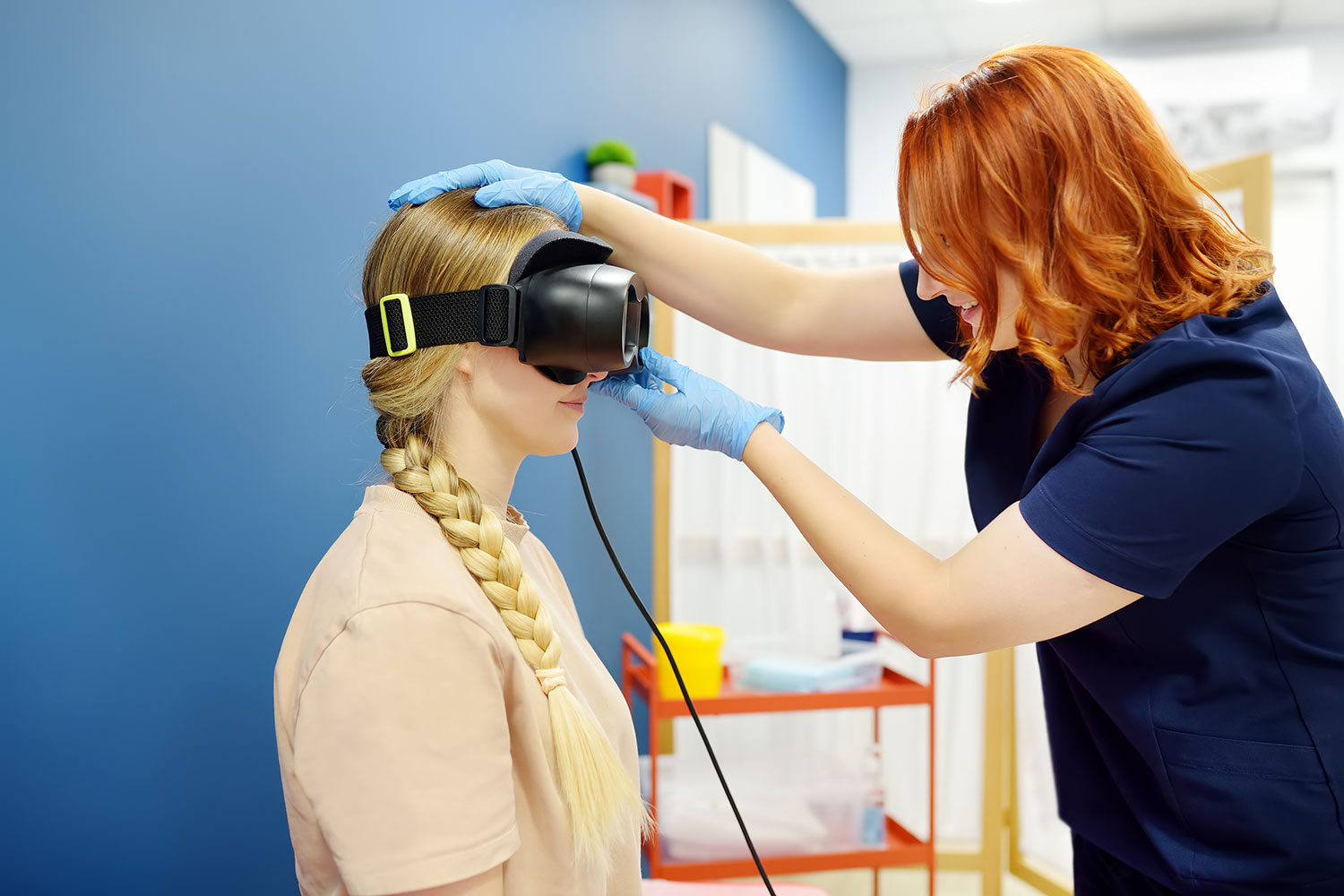
Because dizziness can have many causes, proper diagnosis is essential. At Advanced Audiology Institute, we use specialized vestibular testing to determine whether your symptoms are related to the inner ear or another condition.This allows us to recommend the most effective treatment and help you feel stable again.
Ready to Hear Better?
Schedule a hearing evaluation to start hearing clearly and confidently again.

Ready to Hear Better?
Schedule a hearing evaluation to start hearing clearly and confidently again.

Related Balance & Vestibular Topics
Get a clear, professional evaluation of your hearing and balance to identify issues early and guide the right treatment.
Comprehensive Hearing Care for Better Living

Comprehensive Hearing Evaluations
Your hearing health starts with a thorough evaluation from a licensed audiologist. At Advanced Audiology Institute, we use advanced diagnostic technology to assess your hearing ability, identify potential hearing loss, and understand how it impacts your daily life.
Our comprehensive hearing evaluations are designed to provide clear answers and personalized recommendations. Whether you’re experiencing difficulty hearing conversations, ringing in your ears, or simply want to check your hearing health, our team will guide you through every step and help you find the right solution.

Advanced Hearing Aid Technology
Today’s hearing aids are smaller, smarter, and more powerful than ever before. We offer the latest hearing aid technology designed to improve clarity, reduce background noise, and help you stay connected in every environment.
Our audiologists will help you choose the right hearing aids based on your lifestyle, hearing needs, and personal preferences. From discreet rechargeable devices to advanced Bluetooth-enabled hearing aids that connect to your phone and other devices, we ensure your hearing solution fits seamlessly into your life.

Tinnitus Treatment
Tinnitus, often described as ringing or buzzing in the ears, can interfere with sleep, concentration, and overall quality of life. Our audiologists specialize in evaluating and managing tinnitus using evidence-based treatment options.
Through personalized tinnitus assessments, sound therapy, and counseling strategies, we help patients reduce the impact of tinnitus and regain control over their daily lives. Our goal is to provide long-term relief and help you feel comfortable and confident again.

Hearing Aid Repair and Maintenance
Proper maintenance is essential to keep your hearing aids performing at their best. Our team provides professional hearing aid cleaning, adjustments, and repairs to ensure your devices remain comfortable, reliable, and effective.
Whether your hearing aids need routine service, troubleshooting, or more extensive repairs, we are here to help. Regular maintenance appointments help extend the life of your hearing aids and ensure you continue to enjoy clear, consistent hearing every day.

Custom Hearing Aid Fittings
Hearing aids work best when they are precisely fitted and programmed to your unique hearing profile. Our audiologists use advanced testing and real-world adjustments to ensure your devices deliver clear, comfortable sound tailored to your lifestyle.
We provide ongoing fine-tuning and support so your hearing aids continue to perform at their best in every environment. Whether you’re new to hearing aids or upgrading, our goal is to help you hear confidently and comfortably every day.

Earwax Removal & Ear Care
Excess earwax can cause muffled hearing, discomfort, and a feeling of blockage in the ear. Our audiologists safely remove earwax using gentle, professional techniques designed to restore hearing clarity quickly and comfortably.
We also provide guidance on proper ear care to help prevent future buildup and protect your long-term hearing health. Whether you need immediate relief or routine care, we’re here to help you hear clearly again.
Trusted by patients across Las Vegas & Henderson, NV
⭐ ⭐ ⭐ ⭐ ⭐

“This is the best audiology practice I’ve found — not just in Nevada, but anywhere. Dr. Heppler is wonderful, and every provider we’ve seen has been excellent. They truly care about their patients.”

“Everyone was very kind and took the time to do everything right. This was my first visit, and I felt completely comfortable. We recently moved here, and I’m so glad we found a place we can trust.”
“After over 60 years of hearing loss, Dr. Heppler helped me find a real solution. I can finally hear clearly again — even in situations that used to be impossible. It has made a tremendous difference in my daily life.”

“I had a wonderful experience. The team really works to find the right solution. When I received my hearing aids, the difference was incredible — everything sounded clear again. It truly felt life-changing.”

“Everyone was very kind and took the time to make sure everything was done right. This was my first visit, and I felt completely comfortable the entire time. I’m really glad we found a place we can trust.”

“Since working with Dr. Heppler, my world has opened up again. I’m hearing things I haven’t heard in a long time — watching TV, enjoying movies, and just being part of conversations again. It’s truly changed my life.”
Audiologists Serving Las Vegas & Henderson, NV
Work directly with experienced Doctors of Audiology who specialize in hearing loss, tinnitus, and advanced hearing technology. Experience Dr. Rhett Heppler’s award-winning hearing care!
⭐ ⭐ ⭐ ⭐ ⭐
Trusted by 2,000+ patients across Las Vegas ⭐ 5-star rated hearing care clinic
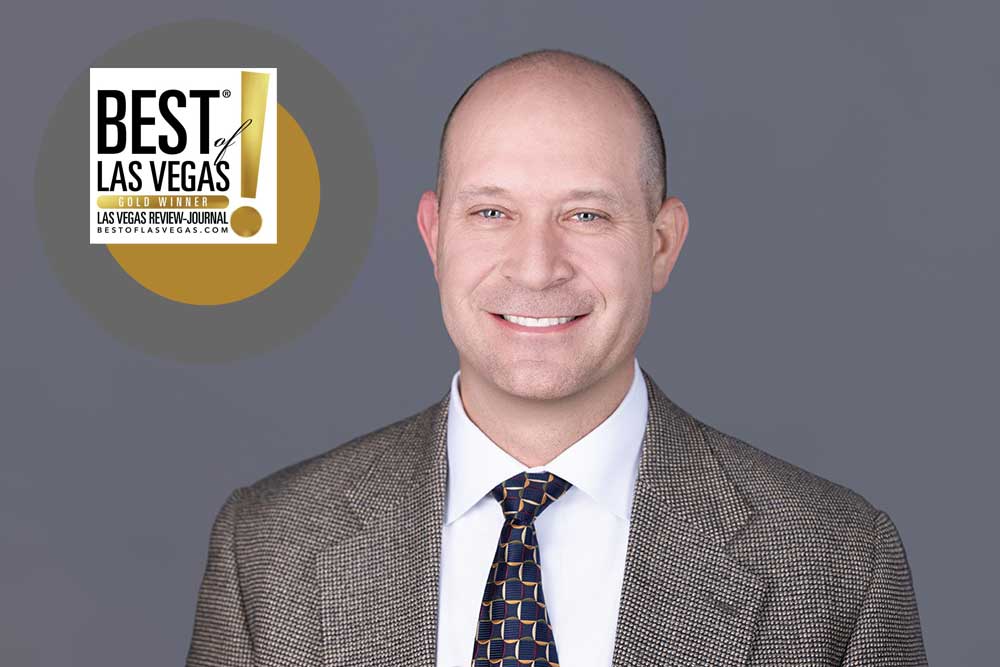
✔ 15+ years experience
✔ Specializes in tinnitus & complex hearing loss
✔ Founder of Advanced Audiology Institute
📍 Serves: Summerlin, Henderson
📅 Accepting new patients
*

✔ Practicing audiology since 2014
✔ Specializes in personalized hearing treatment & patient care
✔ Clinical training at VA Medical Center (Phoenix, AZ)
📍 Serves: Summerlin, Southwest Las Vegas
📅 Accepting new patients

✔ Doctor of Audiology, Grand Valley State University
✔ Specializes in hearing & balance evaluations & treatment
✔ Dedicated to improving quality of life
📍 Serves: Summerlin, Henderson, Las Vegas
📅 Accepting new patients

✔ Doctor of Audiology, Northeast Ohio AuD Consortium
✔ Specializes in cochlear implants & balance disorders
✔ Las Vegas native providing high-quality care
📍 Serves: Summerlin, Henderson, Las Vegas
📅 Accepting new patients
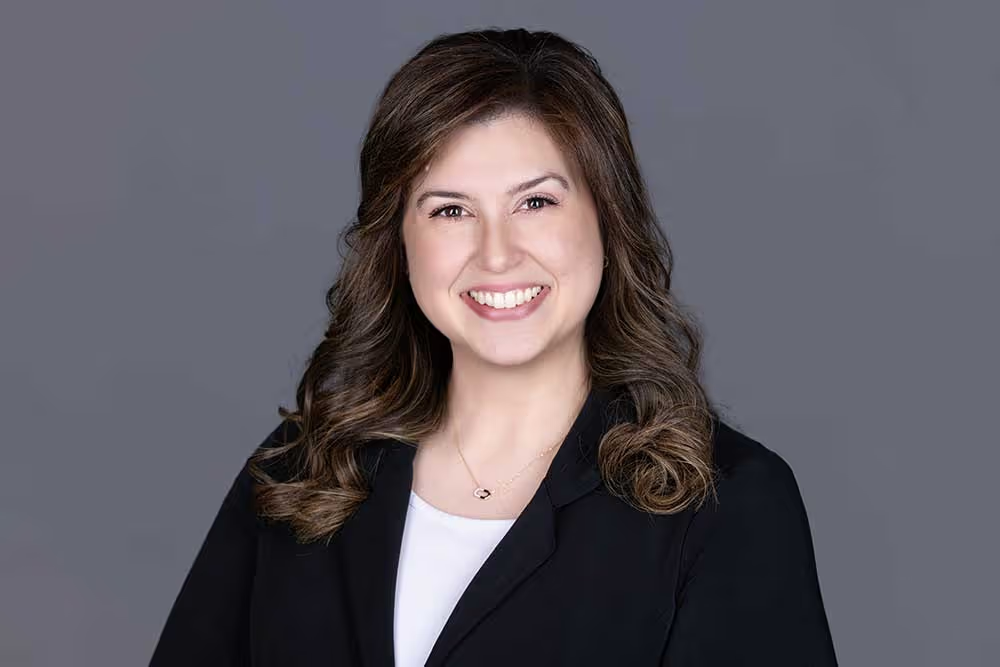
✔ 15+ years experience treating hearing loss
✔ Doctor of Audiology, University of Utah
✔ Las Vegas native focused on compassionate, patient-centered care
📍 Serves: Summerlin, Henderson, Las Vegas
📅 Accepting new patients

✔ 20+ years experience across private practice, ENT & VA systems
✔ Tinnitus specialist & hearing conservation expert
✔ Doctor of Audiology, Salus University
📍 Serves: Summerlin, Henderson, Southwest Las Vegas
📅 Accepting new patients
Why Patients Choose Our Audiologists
Our team combines advanced clinical training with personalized care to deliver the best possible hearing outcomes for every patient.

Doctor of Audiology (Au.D.) trained providers
Our audiologists hold doctoral-level training in hearing and balance care, ensuring you receive expert diagnosis, treatment, and guidance every step of the way.
Personalized, no-pressure care
We take the time to understand your unique needs and guide you through your options—without pressure—so you can make confident decisions about your hearing care.
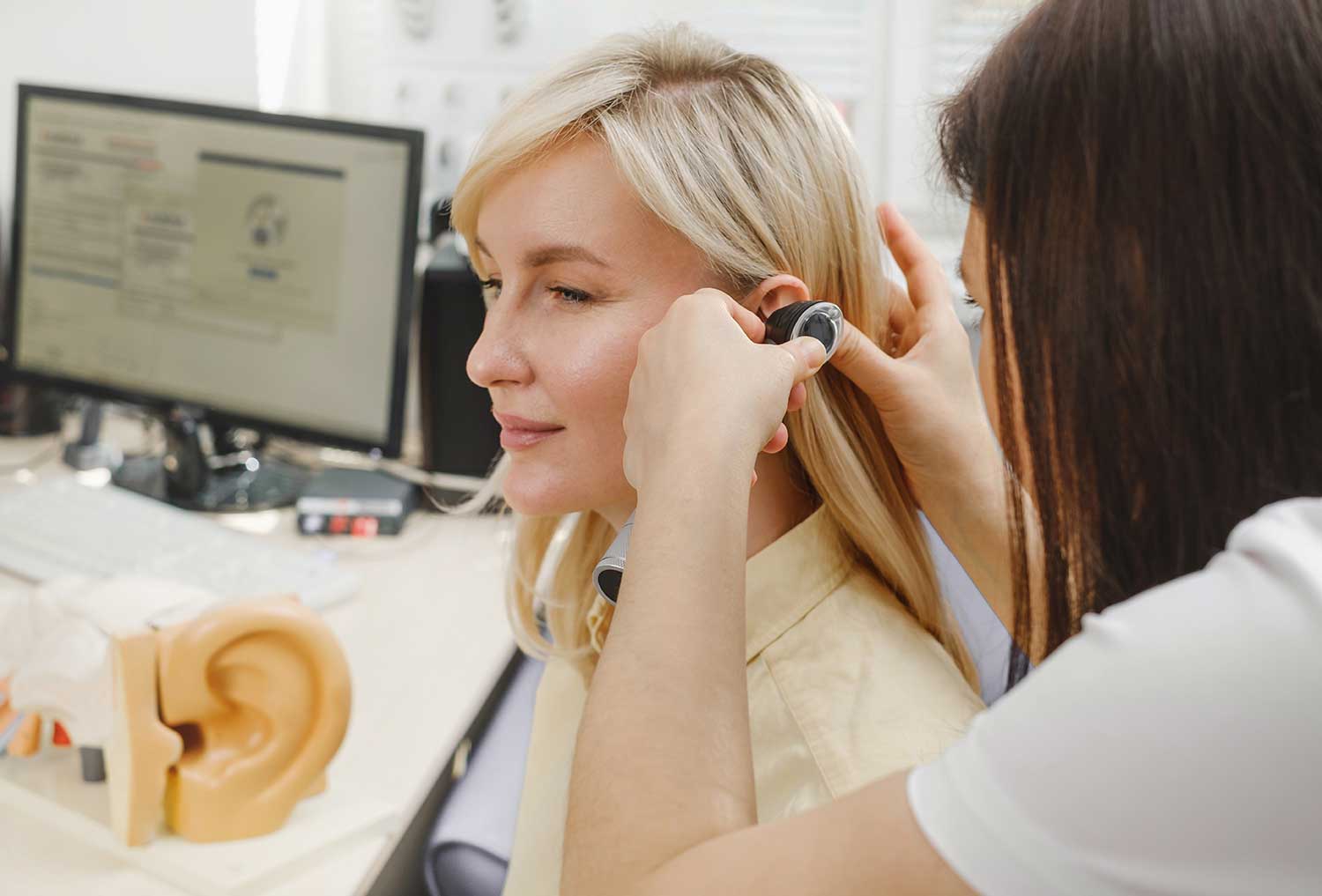
Advanced diagnostic technology
We use state-of-the-art diagnostic equipment to accurately assess your hearing and identify the best treatment options for your specific needs.
Ongoing Support & Follow-Up Care
We’re with you every step of the way—providing adjustments, guidance, and continued care to make sure your hearing solutions work for you long-term.