Types of Hearing Aids
- ⭐ Interested in discreet options
- ⭐ Wanting comfort and ease of use
- ⭐ Looking for different style options
Hearing Aid Styles Designed for Your Lifestyle
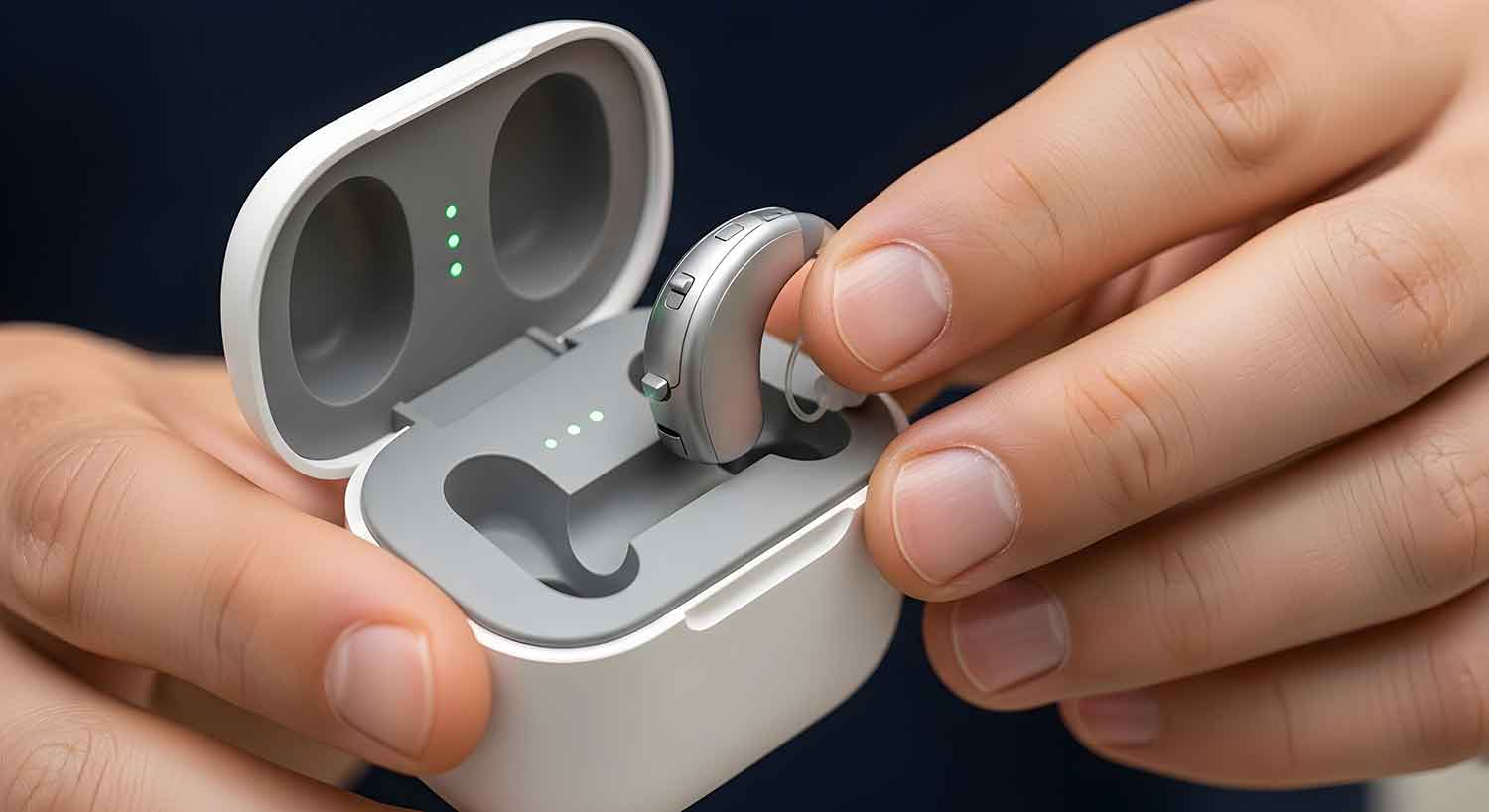
Hearing aids come in a variety of styles, each designed to meet different needs and preferences. From nearly invisible in-the-ear options to powerful behind-the-ear devices, there’s a solution for every level of hearing loss. We help you explore your options and choose a style that fits your comfort, hearing needs, and daily routine.
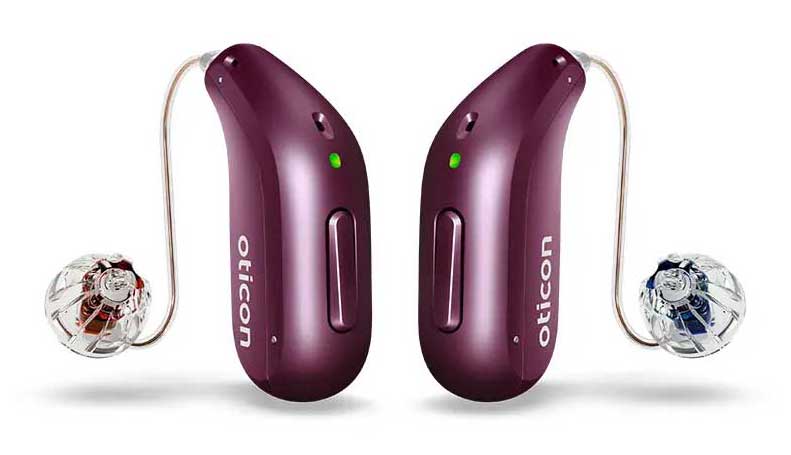
Common hearing aid styles include:
In-the-Ear (ITE)
Behind-the-Ear (BTE)
In-the-Canal (ITC)
Receiver-in-Canal (RIC/RITE)
Invisible-in-Canal (IIC)
Completely-in-Canal (CIC)
When choosing a hearing aid style, it is important to consider:
Degree of hearing loss
Lifestyle
Common activities
Listening environments
Cosmetic preferences
Budget
Dexterity
Skin sensitivities
Comfort
Technology needs
In-the-Ear Hearing Aids
In-the-ear hearing aids are custom-fit based on an impression of your ear. These styles sit partially or completely inside the ear and may be a good choice for people who want a discreet, comfortable option.
In-the-ear styles include:
Invisible-in-Canal (IIC)
Completely-in-Canal (CIC)
In-the-Canal (ITC) / Half Shell
In-the-Ear (ITE) / Full Shell
Invisible-in-Canal Hearing Aids
Invisible-in-canal hearing aids are the smallest custom hearing aids available. They sit deep in the ear canal and are designed to be nearly invisible when worn. IIC hearing aids are typically best for mild to moderate hearing loss.
Completely-in-Canal Hearing Aids
Completely-in-canal hearing aids also fit deeply inside the ear canal. They are slightly larger than IIC devices but still very discreet. CIC hearing aids are often used for mild to moderate hearing loss.
In-the-Canal / Half Shell Hearing Aids
In-the-canal hearing aids sit in the lower portion of the outer ear. Because they are slightly larger, they may allow for additional features such as directional microphones, volume controls, and longer battery life. ITC hearing aids are commonly used for mild to moderate hearing loss.
In-the-Ear / Full Shell Hearing Aids
Full shell hearing aids fill more of the outer ear. Their larger size can allow for more power, easier handling, larger batteries, and additional features. ITE hearing aids may be appropriate for mild to severe hearing loss.
Behind-the-Ear Hearing Aids
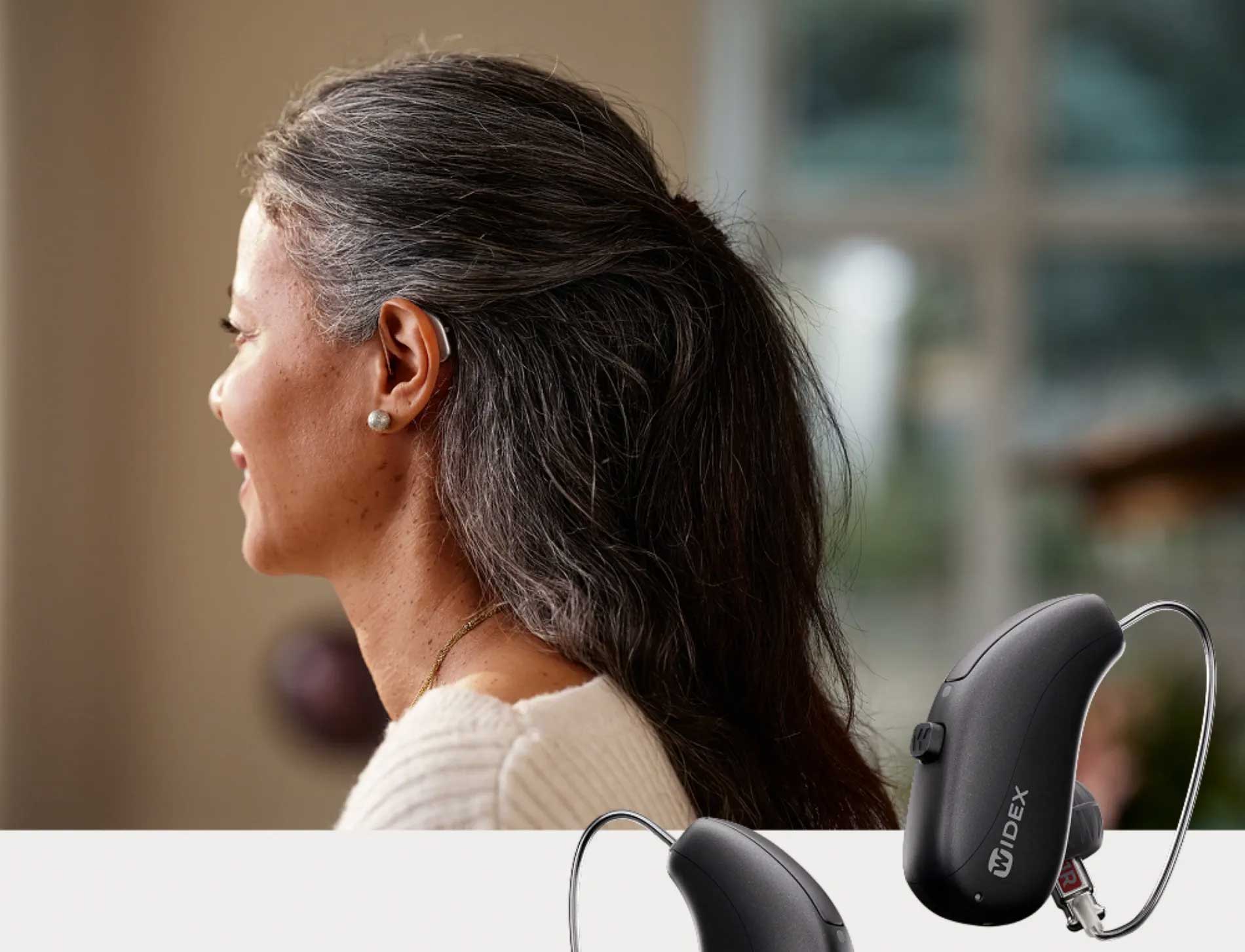
Behind-the-ear hearing aids sit behind or on top of the outer ear. A small tube or wire connects the hearing aid to a dome, tip, or custom earmold inside the ear.
BTE styles are versatile and can support a wide range of hearing needs. Today’s designs are smaller, lighter, and more discreet than many people expect.
Behind-the-ear styles include:
Mini BTE
Receiver-in-Canal / Receiver-in-the-Ear
Behind-the-Ear with Earmold
Mini BTE Hearing Aids
Mini BTE hearing aids are designed to sit discreetly behind the ear. They use thin tubing to send sound into the ear canal, often with a soft tip that allows the ear to remain open and comfortable. This open-fit style is often recommended for mild to moderate hearing loss.
Receiver-in-Canal Hearing Aids
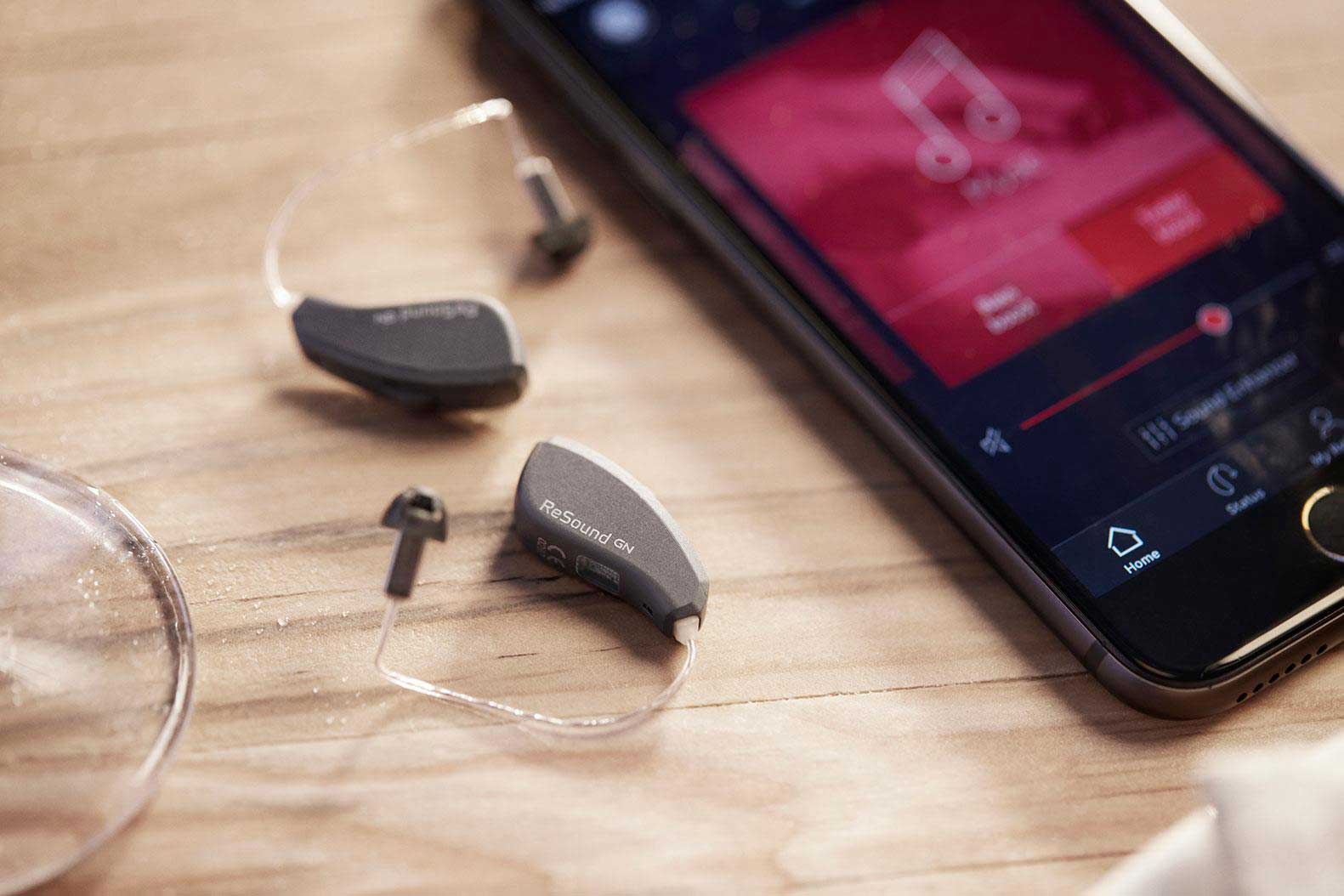
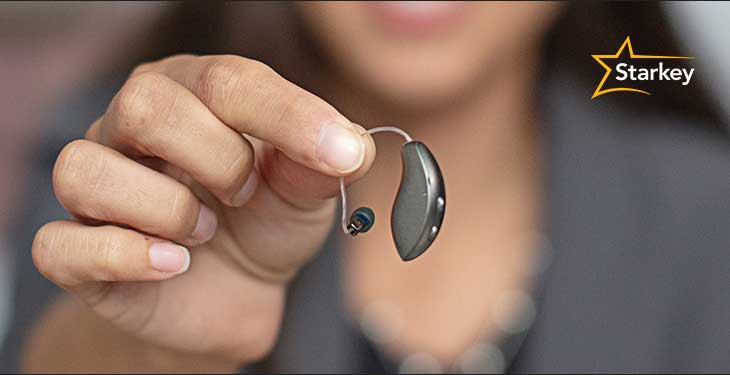
Receiver-in-canal hearing aids are one of the most popular modern hearing aid styles. The main device sits behind the ear while the receiver rests inside the ear canal. RIC hearing aids are discreet, comfortable, and powerful enough for many different hearing needs.
Behind-the-Ear Hearing Aids with Earmolds
Traditional BTE hearing aids connect to a custom earmold inside the ear. This option is often recommended for people who need more power, have more significant hearing loss, or need a secure and comfortable fit.
Which Hearing Aid Style Is Right for You?
The best hearing aid style depends on your hearing test results, ear shape, lifestyle, dexterity, cosmetic preferences, and listening goals. During your appointment, our audiology team will help you compare your options and choose a hearing aid style that fits your comfort, hearing needs, and daily life.